
Understanding the signs of gambling addiction for better awareness
What is Gambling Addiction?
Gambling addiction, often referred to as compulsive gambling or gambling disorder, is a condition that affects individuals’ mental health and financial stability. It is characterized by an uncontrollable urge to gamble, despite the negative consequences that may arise. The addiction can escalate, leading to severe repercussions not only for the individual but also for their families and communities. One can find various places that cater to this urge, including non gamstop casinos uk, which can play a role in the historical context of gambling.

Understanding gambling addiction is crucial for early intervention. Many people are unaware that their behavior has crossed the line into addiction, making it essential to recognize the signs early. The psychological and emotional toll it takes can be profound, affecting one’s relationships, work performance, and overall well-being.
Common Signs of Gambling Addiction
Identifying the signs of gambling addiction can be challenging, as they often develop gradually. One of the most evident signs is the preoccupation with gambling. Individuals may find themselves constantly thinking about their next bet or reminiscing about past wins. This persistent focus can interfere with daily responsibilities and relationships.
Other common indicators include hiding gambling activities or lying about losses. Many individuals may feel ashamed of their gambling habits and go to great lengths to cover them up. This secrecy can lead to increased isolation and emotional distress, further complicating the addiction.
The Emotional Impact of Gambling Addiction
The emotional consequences of gambling addiction are significant and multifaceted. Individuals may experience feelings of guilt, anxiety, and depression as they grapple with their compulsive behavior. These emotions can create a vicious cycle, where individuals gamble to escape their feelings, only to feel worse afterward due to the losses incurred.
Moreover, gambling addiction can lead to strained relationships with family and friends. Loved ones may feel betrayed or hurt by the individual’s inability to control their gambling behavior, leading to conflicts and potential breakdowns in communication. The emotional fallout from such situations can further exacerbate the addiction.
Strategies for Overcoming Gambling Addiction
Overcoming gambling addiction is a challenging journey that often requires professional help and support from loved ones. One effective strategy is seeking therapy, particularly cognitive-behavioral therapy, which helps individuals understand the triggers of their gambling behavior and develop healthier coping mechanisms.
Support groups, such as Gamblers Anonymous, can also provide a vital network of individuals facing similar challenges. Sharing experiences and advice can foster a sense of community and accountability, which is often crucial in recovery.
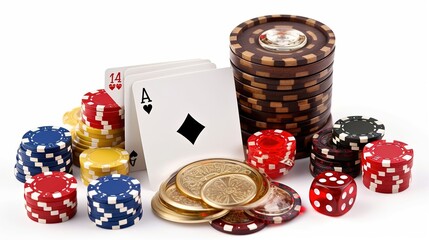
Raising Awareness on Gambling Addiction
Raising awareness about gambling addiction is essential for creating a supportive environment for those struggling with this issue. Educational resources can help demystify the addiction and promote understanding among friends and family members. Knowledge about the signs and symptoms can empower individuals to seek help sooner rather than later.
Understanding the importance of this topic can lead to more effective prevention and intervention strategies. Resources, including online platforms that address gambling addiction, play a significant role in disseminating vital information and offering support to those in need. By fostering awareness, we can build a community that encourages recovery and offers assistance to those affected by gambling addiction.