
Understanding the psychology behind casino gambling decisions
The Role of Luck in Gambling
The concept of luck plays a pivotal role in casino gambling. Gamblers often believe that luck can change the outcome of games, creating an illusion of control over random events. This belief can lead to the phenomenon of chasing losses, where players continue to gamble in the hope that their luck will turn around. This mindset can drive individuals to make impulsive decisions, often leading to greater losses. Furthermore, many gamblers look for reliable payment methods, such as an online casino with apple pay, to make deposits securely and efficiently.

Additionally, the excitement associated with the idea of luck can amplify the thrill of gambling. The unpredictable nature of games of chance fuels the adrenaline rush that many players crave, making them more likely to engage in riskier bets. This psychological aspect encourages repeat play, as the anticipation of a big win keeps players coming back to the casino.
The Influence of Skill in Gambling
While luck is a significant factor, skill also plays a crucial role in many casino games. Players of games like poker, blackjack, and even sports betting can utilize strategies that increase their chances of winning. This understanding of skill can create a false sense of confidence, leading gamblers to believe they have more control over their outcomes than they actually do.
Moreover, skilled players often engage in a different psychological experience. They tend to focus on the strategic elements of the game rather than purely on chance. This concentration can lead to a more calculated approach to gambling, contrasting sharply with the impulsive nature often associated with games of pure luck. However, even skilled players can fall victim to the illusion of skill, resulting in risky behavior and misjudgments in their play.
The Emotional Triggers Behind Gambling Decisions
Emotions significantly influence gambling decisions. Many players gamble to escape stress, anxiety, or other negative emotions. The casino environment, with its bright lights and sounds, is designed to evoke excitement and pleasure, further amplifying these emotional triggers. This sensory overload can lead to poor decision-making, as players may focus more on the immediate thrill than on the potential consequences of their actions.
Additionally, the social aspect of gambling can enhance emotional involvement. The camaraderie found at a poker table or the excitement shared during a game can lead individuals to gamble more than they initially intended. These social connections can create a sense of belonging, further reinforcing the decision to gamble, often without considering the financial implications.
The Impact of Cognitive Biases on Gambling Behavior
Cognitive biases, such as the gambler’s fallacy and confirmation bias, also play a significant role in gambling decisions. The gambler’s fallacy leads players to believe that past events influence future outcomes. For instance, if a player has not won for several rounds, they may assume they are due for a win, prompting them to increase their bets. This misconception can lead to significant financial losses.
Similarly, confirmation bias causes players to seek out information that supports their existing beliefs about their gambling strategies. They may ignore losses or downplay negative outcomes while focusing only on wins. This selective perception can create a distorted view of their gambling success, leading to continued play and potentially harmful financial consequences.
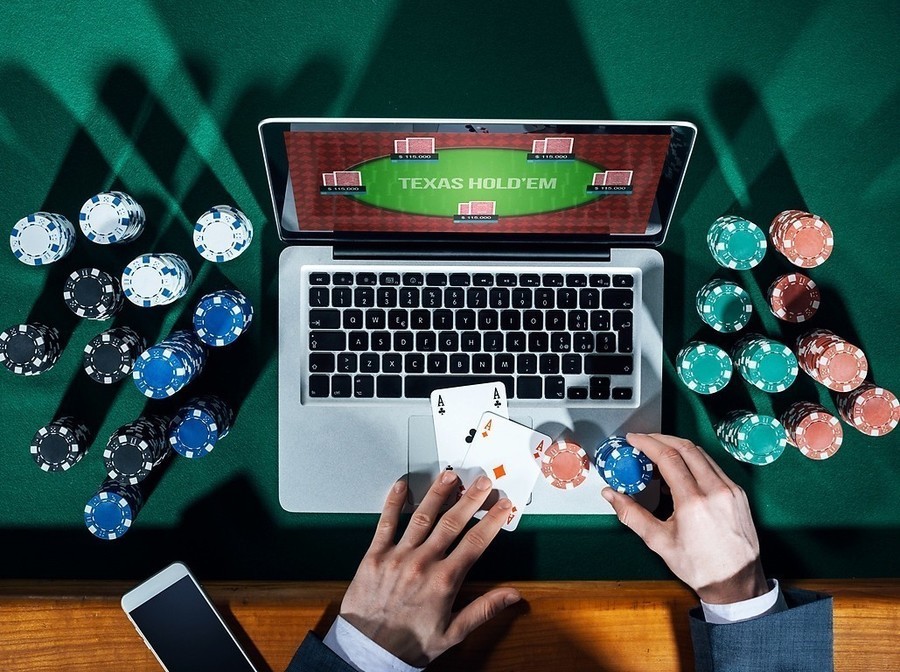
Exploring Responsible Gambling
Understanding the psychology behind gambling decisions is crucial for promoting responsible gambling. Players need to be aware of the emotional and cognitive factors influencing their behavior. By recognizing these influences, individuals can make more informed decisions, reducing the risk of developing problematic gambling habits.
Furthermore, educational resources and support networks play a vital role in encouraging responsible gambling. By fostering an environment where players can learn about the psychological aspects of gambling, they can better navigate their choices and engage in safer gaming experiences. Ultimately, awareness and education are essential tools in promoting healthy gambling behaviors and reducing the negative impacts of gambling on individuals and society.